
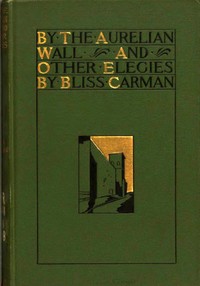
By the Aurelian Wall, and Other Elegies by Bliss Carman
Let's be clear: this isn't a book with a plot in the traditional sense. It's a collection of elegiac poems, which means they're all, in some way, about loss and reflection. The title poem, 'By the Aurelian Wall,' sets the tone. Carman places us by that ancient Roman ruin, using it as a powerful symbol. The wall has seen empires rise and fall, and standing by it makes human life feel both fleeting and part of a much larger story.
The Story
There's no single narrative thread. Instead, think of each poem as a different stop on a journey through memory and melancholy. Carman writes about natural scenes—a fading autumn, a quiet garden at dusk—and ties them to human emotion. He reflects on historical figures and personal sentiments, always circling back to the idea that beauty and sorrow are deeply intertwined. The 'story' is the emotional arc from recognizing loss to finding a kind of acceptance, even peace, within the cycle of nature and time.
Why You Should Read It
I picked this up on a whim, and it completely disarmed me. In our fast-paced world, Carman's poetry is a forced pause. His language is simple but incredibly musical; you can almost hear a rhythm as you read. He doesn't shout about grief. Instead, he observes it with a quiet, steady eye, showing how it's woven into the fabric of the world. Reading these poems felt less like studying literature and more like having a conversation with a very wise, calm friend who points out the poignant beauty in things we often rush past. It made my own worries feel smaller, yet more meaningful.
Final Verdict
This book is perfect for anyone who needs a break from noise. It's for the person who loves a foggy day, old ruins, or quiet contemplation. If you're new to poetry and find some modern work too confusing, Carman's clear, image-driven style is a fantastic gateway. It's also a great companion for anyone processing a change or an ending, offering solace without being preachy. It's not a cheerful beach read, but it's a profoundly calming and beautiful one.
This historical work is free of copyright protections. It serves as a testament to our shared literary heritage.
Elizabeth Miller
8 months agoI appreciate the objective tone and the evidence-based approach.
James Thomas
11 months agoWhile browsing through various academic sources, the cross-referencing of different chapters makes it a great study tool. Highly recommended for those seeking credible information.
Jackson Gonzalez
2 years agoIf you enjoy this genre, it provides a comprehensive overview perfect for everyone. I would gladly recommend this title.
Betty Clark
2 years agoSolid story.







Kimberly Harris
4 months agoThe layout of the digital version made it easy to start immediately, the practical checklists included are a great touch for real-world use. Top-tier content that deserves more recognition.