
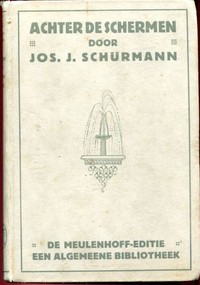
Achter de schermen by Joseph J. Schürmann
Joseph J. Schürmann's Achter de schermen is a fascinating snapshot of a world in transition. Written in 1889, it's not a novel with a single plot, but rather a series of observations and commentaries on Dutch society in the final decades of the 19th century. Schürmann acts as our guide, pointing out the cracks in the facade of respectability and the new ideas bubbling up from below.
The Story
There isn't a traditional narrative here. Instead, Schürmann takes us on a tour of the Netherlands' social and political backstage. He writes about the growing divide between the established upper classes and a rising middle class hungry for influence. He examines the role of the press, the tensions in religion, and the slow, sometimes painful, process of modernization. The 'story' is the story of a nation figuring itself out, told through the lens of current events, cultural shifts, and the author's own pointed opinions. It's less about what happened, and more about why it mattered to the people living through it.
Why You Should Read It
This book is special because it lacks the polished hindsight of most history books. Schürmann doesn't know how things will turn out, and that uncertainty makes his writing feel immediate and real. You get the sense of a man trying to make sense of his own time. His voice is direct, sometimes critical, and often witty. Reading it, you stop seeing the late 1800s as a series of dates and start seeing it as a lived experience. You understand the anxieties about new technology, the debates over social roles, and the pride and fear that come with national change. It turns historical figures and movements back into neighbors and newspaper headlines.
Final Verdict
This is a perfect pick for readers who love social history and primary sources. If you enjoy books that explore the 'why' behind historical change, or if you're fascinated by the Netherlands in particular, Schürmann offers an invaluable insider's perspective. It's also great for anyone tired of stuffy academic prose and craving a more direct, conversational voice from the past. Fair warning: it helps to have a little baseline knowledge of European 19th-century history. But if you're willing to meet Schürmann halfway, he'll reward you with a vivid, unfiltered look at a world behind the scenes.
This digital edition is based on a public domain text. It is available for public use and education.





Sandra Lewis
1 year agoBased on the summary, I decided to read it and the atmosphere created is totally immersive. This story will stay with me.