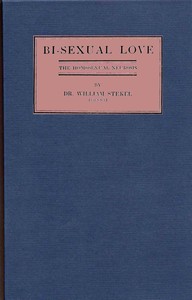
Bi-sexual love; the homosexual neurosis by Wilhelm Stekel
Okay, so you pick up this old book called Bi-sexual love; the homosexual neurosis by some guy named Wilhelm Stekel, and at first you think, ‘This is going to be dense and weird.’ But honestly, it’s a fascinating slice of early 20th-century psychology that reads like a mix of a strange theory and a moral panic. Stekel was a big disciple of Freud, and he took the whole ‘repressed desires’ idea to another level.
The Story
Basically, Stekel’s main claim: bisexuality is not just a natural phase or a preference—it’s actually a neurosis. Whoever is attracted to both genders, according to him, is basically stuck in a kind of emotional–sexual limbo, caught between unhealthy fears of their own sexuality. He calls this ‘the homosexual neurosis,’ and thinks it can be cured through talk therapy, like the kind he practices. But here’s the twist: he uses dozens of case studies from patients he treated, some with really dramatic stories—like folks who secretly said they felt both ways, who honestly had way more complex lives than his simplified labels could capture.
Why You Should Read It
As a reader, I felt like I was time-traveling. On one hand, yes, his views are outdated and sometimes offensive today—he literally calls same-gender love a ‘disease’ of sorts. But ignoring that flavor, the intense arguments he got into with other psychoanalysts about whether we’re all ‘born that way’ or if it’s a choice/protes forms a real, if messy, debate. Plus, the patients’ stories are raw and shocking, which makes this less textbook and more like overhearing a strange conversation from the 1920s. The best part for me? Even Stekel himself seemed to doubt his own labels in certain spots: he reported patients who said their same-gender attractions felt intensely natural versus opposite-campaigning, only to confusingly conclude again that it could all be a maladaptation anyway. That makes it a messier read but a more honest one for its time. It’s helpful if you want to see where some modern ideas like fight of innate vs. upbringing vs. fluidity came from in the first place.
Final Verdict
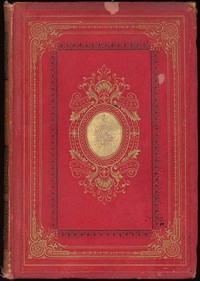
Who should pick this up? Honestly, anyone into quirky history of psychology, critical thinkers who can handle old-fashioned terms without judging the whole book by cover alone, plus historical context fans get a real treat waiting inside. Just know: You will shake your head a lot, maybe laugh, sometimes gasp at what people accepted back then. Already you meet an involved caution about both Stekel’s language again—fYI, some instances use translations then current but maybe not fully sensitive today gives it dated vibes darker by month 12 reading. But for our general dose : Perfect for cultural feminists, psychology puzzle solvers overall brain pickers seeking near‑chaos style thinkers or story collectors wanting true 1920s analysis . Just keep your salt shaker nearby; you’ll want steady earth beneath you as the doctor’s world tilts on theory axis up!
Legal analysis indicates this work is in the public domain. Thank you for supporting open literature.